
Written by Karolina Grabowska · Photographer and Founder of Kaboompics
Yes, AI and ChatGPT images can usually be used commercially. But permission from the tool is not the same as a guarantee that every output is unique, protected by copyright or clear of third-party rights.
Generating the file is the easy part. Before it goes into an advertisement, client project or product, it is worth checking what was used as input, what appears in the final image and whether you need something that can genuinely belong to your brand.
This guide explains what commercial use means in practice, what current platform terms allow and where copyright, ownership and legal risk still become complicated in 2026.
Yes, in most cases.
OpenAI’s current terms say that, between you and OpenAI and to the extent permitted by law, you own the output you create. That includes images generated in ChatGPT. You can generally use them on websites, in ads, social media content, presentations and client projects.
The important part is what this does not promise. It does not mean every image is protected by copyright, unique or automatically clear of third-party rights. OpenAI notes that another user may receive similar output. Owning your output and having something exclusive are not the same thing.
You are also responsible for what goes into the tool. If you upload someone else’s photograph, illustration or artwork and ask ChatGPT to transform it, the prompt does not magically create permission. You still need the right to use that material. The same applies when the result includes a recognizable person, logo, character or product design.
OpenAI’s rules also prohibit presenting AI output as human-generated. Its service terms state that visual tools must not be used to reproduce someone’s likeness without their consent and the necessary rights.
So yes, ChatGPT images can usually be used commercially. Just do not treat the download button as a legal clearance certificate. Check the input, examine the result and consider where the image will appear. A background for an internal presentation carries a different level of risk from a logo, packaging design or the main visual of an advertising campaign.
Often yes, but there is no single license covering every AI-generated image.
“AI-generated” describes how an image was created. It does not tell you which platform produced it, what terms applied to the account or whether the output can be used in advertising, client work, products or files intended for resale.
Start with the terms of the tool you used. Check whether commercial use is permitted under your account or subscription, what the platform says about ownership and whether it places any restrictions on selling or distributing the generated file.
The input matters too. A platform cannot give you rights to someone else’s photograph, illustration or artwork simply because you uploaded it and asked for a new version. The same problem appears when an output contains a recognizable logo, character, product design or someone’s likeness.
Keep a copy of the terms that applied when you generated the image, especially if it will be used for a client or paid campaign. AI tools change quickly, and reconstructing the rules several months later is considerably less entertaining than it sounds.
Permission from the platform is the starting point. It is not a magic shield against copyright, trademark, privacy or licensing problems.
This is where things get messy.
Yes, you can sell AI-generated images. There’s no universal rule that blocks it. But selling something is not the same as owning it in a strong, legally protected way — and that’s the part most people ignore.
Most AI tools (like Midjourney, DALL·E, or Adobe Firefly) allow commercial use under certain conditions. So the issue is not simply “you can’t sell it.” The real issue is what exactly you’re selling and what rights you actually have.
If an image is generated mostly by AI, you likely don’t have full copyright protection. That means no exclusivity, limited control, and very little ground to stand on if someone else uses something similar.
And then there’s Etsy.
It’s full of bundles like “100 neutral aesthetic AI stock photos.” They look polished, they sell well, and they feel like a shortcut. But many of these listings operate in a legal gray zone. Not because selling is automatically illegal, but because the terms, rights, and expectations are often unclear or misleading.
Buyers assume they’re getting safe, fully usable assets for branding or client work. In reality, they may be getting files with unclear ownership, no exclusivity, and potential risks around copyright or even likeness.
If you want to sell AI-generated images, the safer approach is simple: understand the license of the tool you use, add real human input, and be honest about what the buyer is actually getting.

This is where things get blurry.
AI-generated images are often described as “copyright free”, but that’s an oversimplification. In many cases, they are not protected in the same way as human-created work. At the same time, the legal framework is still evolving and not fully settled.
What this means in practice is simple. You can often use AI images, but you don’t have the same level of legal clarity and protection as with photography created by a human.
Yes, you can sell AI-generated images on many platforms. People are already doing it through marketplaces, print-on-demand, and digital products.
But the real issue is not permission. It’s value.
If an image can be recreated in seconds with a similar prompt, it becomes difficult to treat it as a unique asset. And once uniqueness disappears, commercial value becomes unstable.
AI images feel like normal visual assets because they’re easy to generate and easy to use, but they don’t behave like real assets. There’s no real exclusivity, because similar images can be recreated by anyone, and there’s limited protection, because if most of the work is generated, your ability to claim ownership is weak.
This becomes a real problem the moment these images move from supporting visuals into core brand assets, where consistency and control actually matter.
AI gives you speed and variation, but real photography gives you authorship, consistency, and a much clearer legal position, especially when images are created as part of a cohesive visual system that can be reused and extended. AI works well for quick, low-stakes use like concepts or internal visuals, but becomes unreliable in branding, client work, or long-term campaigns.
So yes, you can use AI-generated images commercially, but if you’re building something that needs to be consistent, recognizable, and reliable, the real question isn’t about permission, it’s whether the tool can actually support what you’re trying to build.
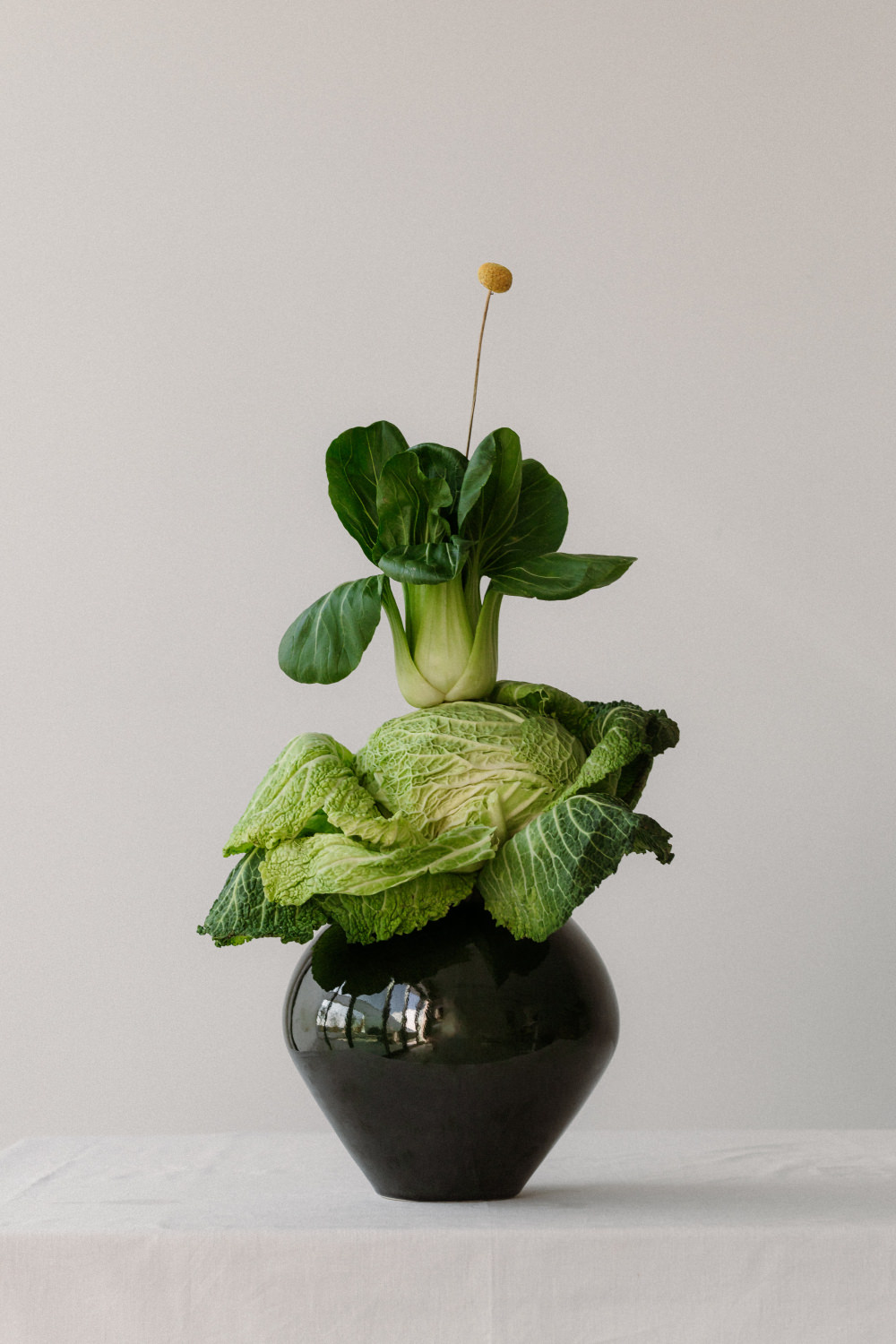
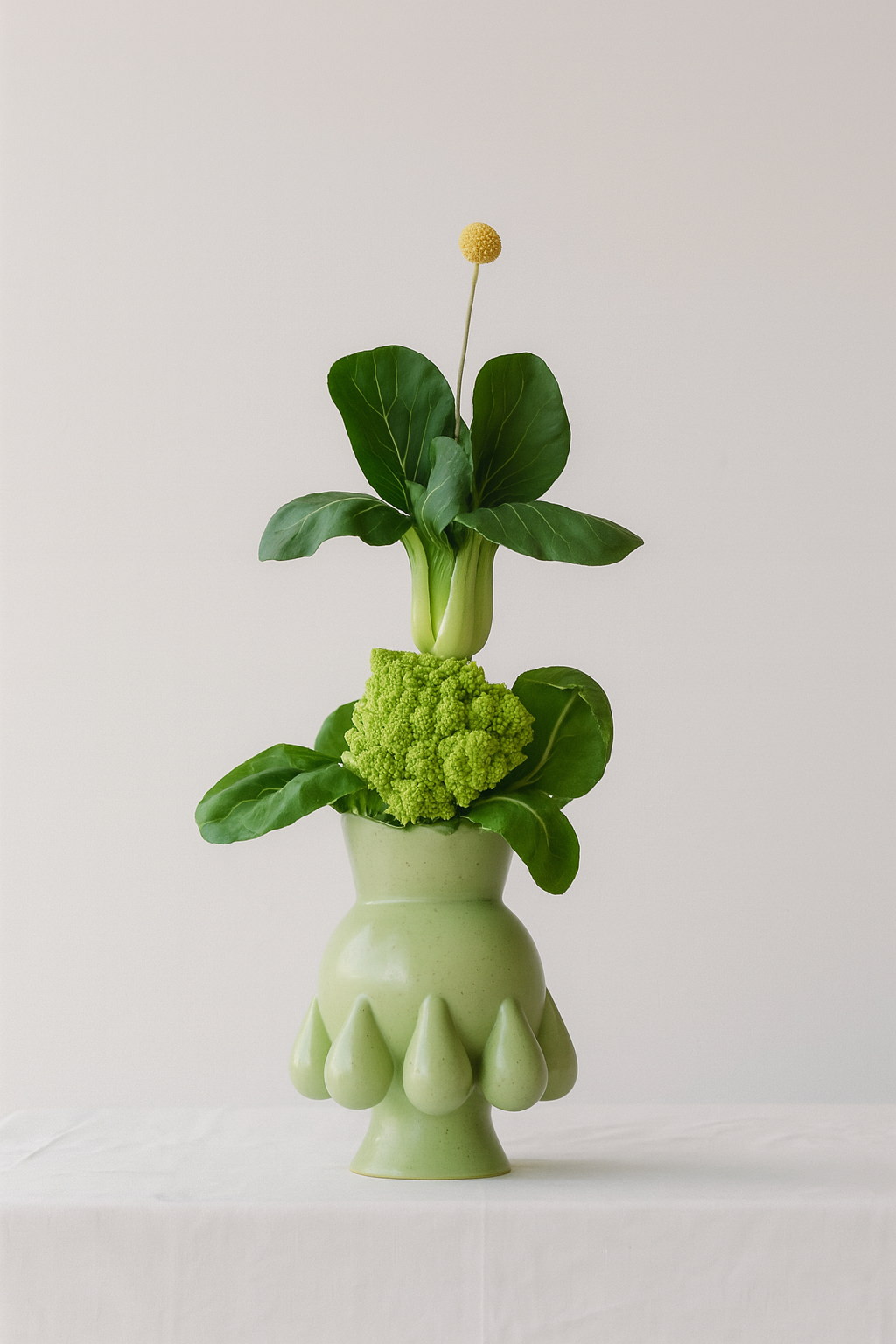
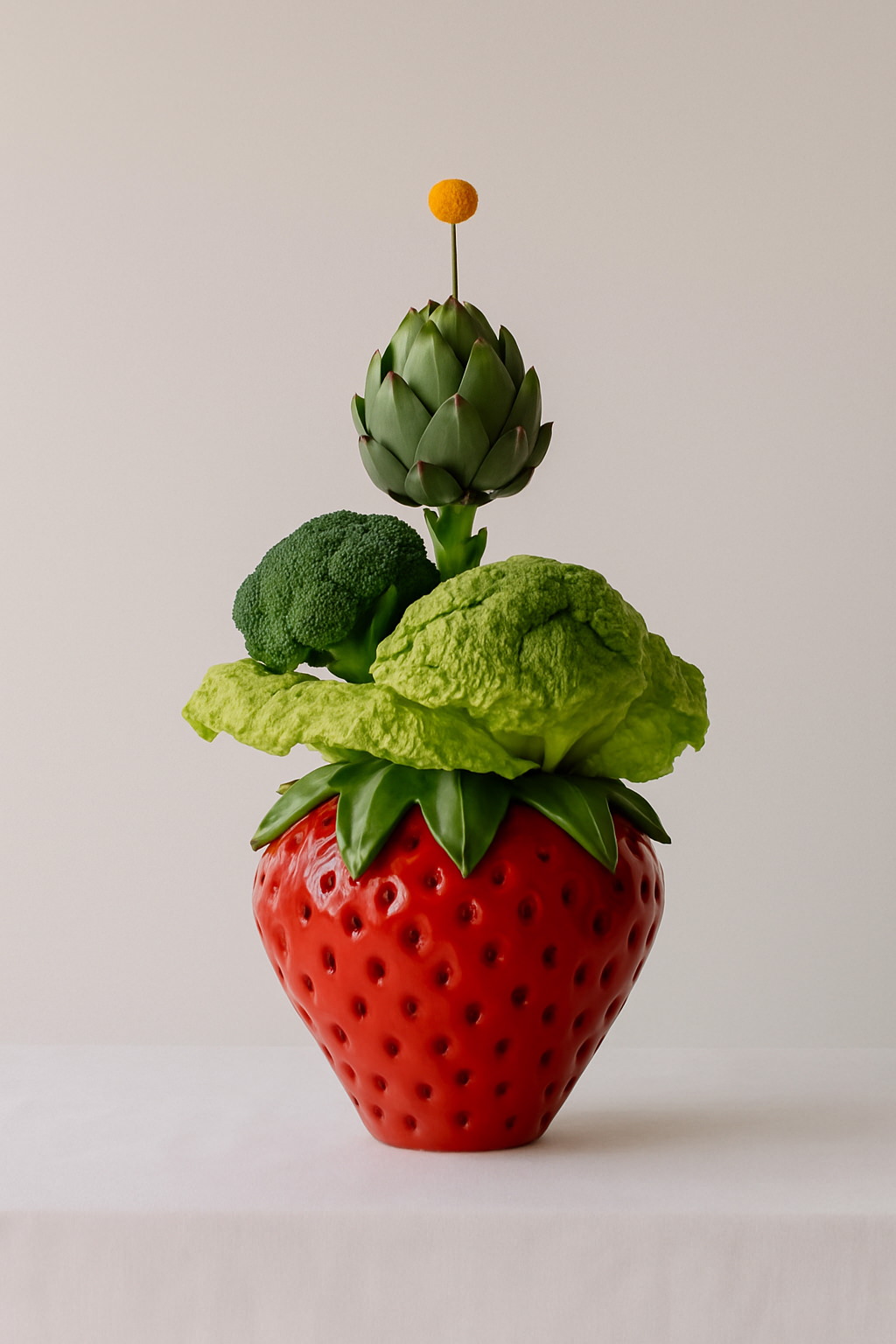
This is what happens when AI gets too inspired by someone’s work.. and no, our hearts aren’t okay.
Not exactly.
If an image is mostly generated by AI, you usually don’t have full copyright ownership, because copyright law still requires human authorship. You can use the image (if the tool’s license allows it), but you don’t get exclusivity or strong legal protection.
You may only own the parts where you added meaningful human input, such as editing, composition, or transformation.
You can use AI-generated images in advertising, but it comes with real risks.
They’re not guaranteed to be unique, and you usually don’t have strong ownership rights. That’s a problem when an image is central to a campaign or brand.
There’s also the risk of resembling real people, which can lead to privacy or likeness issues.
AI works better for low-stakes visuals. For advertising, where clarity and control matter, it’s a less reliable choice.
Yes, in most cases. Canva’s current AI Product Terms say that you may use AI-generated output for any lawful purpose. As between you and Canva, you own the output to the maximum extent permitted by law.
That ownership has limits. If the output incorporates or modifies a photo, graphic or other licensed content from Canva’s library, the license for that original content still applies. Editing a Canva library photo with AI does not suddenly make the underlying photo yours.
Canva also warns that AI outputs may not be unique and that commercial use is at your own risk. Before using an image in advertising, branding or a product for sale, check the final output for recognizable people, trademarks and other protected material. Canva allowing commercial use does not guarantee copyright protection, exclusivity or full legal clearance.
Not really.
You can absolutely use Kaboompics photos as inspiration, but not as actual input for AI tools. Uploading a photo to generate a new image (for example in Midjourney or Firefly) is not allowed under the license.
Kaboompics images can’t be used for AI training or image generation. That part is pretty clear.
So if you’re just looking, getting ideas, building a mood — you’re fine.
If you’re feeding the image into AI to create something new — that’s where you cross the line.
Source: Kaboompics License & FAQ
At Kaboompics, we’ve always believed that good visuals are not just about single images, but about how they work together. AI is an interesting and powerful tool, and we’re genuinely curious to see where it goes, but in real projects, consistency, clarity, and control still matter more than speed alone.
That’s exactly why we focus on curated photography built as visual systems, not random outputs. Because at the end of the day, what you’re building deserves more than just an image, it needs something you can rely on.
Finding one beautiful photo for Instagram is easy. Finding enough images to build something consistent is where the problem starts. You save a strong interior photograph, a perfect close-up and a portrait you love. Each one works on its own.
Using a free stock image in marketing should be simple: find the right photo, download it and add it to your project. The problem is that “free to download” does not always mean “free to use however you want.” You
UGC has changed the way brands want to look online. Instead of perfectly polished campaign images, many businesses now want photographs that feel personal, immediate and close to the visual language of Instagram, TikTok and everyday life. But searching for