
Short answer: yes, but not in the way most people assume.
The conversation around AI images hasn’t flipped upside down since 2025, but it has matured. The hype faded a bit and what’s left is more concrete: clearer legal signals, more pressure from regulators, and a growing gap between what is technically possible and what is actually safe to use in business.
So the real question in 2026 is no longer “can you use AI images commercially?” but rather “what are you really getting when you use them?”
The conversation around AI images hasn’t flipped overnight, but it has matured. The hype cooled down a bit and what’s left is more concrete. There are clearer legal signals, more pressure from regulators, and a growing gap between what is technically possible and what is actually safe to use in business.
In the US, recent guidance and court decisions reinforce one key idea: human authorship still matters. Purely AI-generated images are generally not protected by copyright in the traditional sense. If your contribution is minimal, there is very little you can truly claim as your own. If you transform or build on top of an AI image, that human layer may be protected, but the raw output itself remains legally weak.
In Europe, things are still not fully harmonized, but the direction is similar. Copyright law continues to be built around human creativity, not automated generation. That leaves AI-generated content in a grey zone where usage is often allowed, but ownership is blurry.
At the same time, the EU AI Act is moving from theory to practice. Transparency rules are becoming real, especially around synthetic content. In some contexts, AI-generated visuals may need to be identifiable as such. This doesn’t block commercial use, but it adds responsibility that simply didn’t exist before.
Another shift that became more visible is privacy. Regulators are increasingly pointing to risks when AI-generated images resemble real people. Even if an image is synthetic, it can still create legal issues if someone is identifiable or if the image is used commercially.
In most cases, you can use AI-generated images for commercial purposes. Popular tools like Midjourney, DALL·E, and similar platforms generally allow commercial use, depending on their terms.
But this is a technical answer, not a practical one. It tells you what is allowed, not what is safe or effective in real projects.
If you are working on something that matters, a brand, a client project, a campaign, the question quickly shifts from “can I use this” to “should I rely on this.”
Images generated with tools like ChatGPT can also be used commercially under current platform policies. However, there are limitations that don’t show up in simple yes or no answers.
You don’t have full control over how the image was created. You don’t know exactly what data influenced the output. And you can’t guarantee that something very similar won’t be generated by someone else tomorrow.
That lack of control becomes a real issue in commercial work, where predictability and consistency matter more than speed.
This is where things get messy.
Yes, you can sell AI-generated images. There’s no universal rule that blocks it. But selling something is not the same as owning it in a strong, legally protected way — and that’s the part most people ignore.
Most AI tools (like Midjourney, DALL·E, or Adobe Firefly) allow commercial use under certain conditions. So the issue is not simply “you can’t sell it.” The real issue is what exactly you’re selling and what rights you actually have.
If an image is generated mostly by AI, you likely don’t have full copyright protection. That means no exclusivity, limited control, and very little ground to stand on if someone else uses something similar.
And then there’s Etsy.
It’s full of bundles like “100 neutral aesthetic AI stock photos.” They look polished, they sell well, and they feel like a shortcut. But many of these listings operate in a legal gray zone. Not because selling is automatically illegal, but because the terms, rights, and expectations are often unclear or misleading.
Buyers assume they’re getting safe, fully usable assets for branding or client work. In reality, they may be getting files with unclear ownership, no exclusivity, and potential risks around copyright or even likeness.
If you want to sell AI-generated images, the safer approach is simple: understand the license of the tool you use, add real human input, and be honest about what the buyer is actually getting.

This is where things get blurry.
AI-generated images are often described as “copyright free”, but that’s an oversimplification. In many cases, they are not protected in the same way as human-created work. At the same time, the legal framework is still evolving and not fully settled.
What this means in practice is simple. You can often use AI images, but you don’t have the same level of legal clarity and protection as with photography created by a human.
Yes, you can sell AI-generated images on many platforms. People are already doing it through marketplaces, print-on-demand, and digital products.
But the real issue is not permission. It’s value.
If an image can be recreated in seconds with a similar prompt, it becomes difficult to treat it as a unique asset. And once uniqueness disappears, commercial value becomes unstable.
AI images feel like normal visual assets because they’re easy to generate and easy to use, but they don’t behave like real assets. There’s no real exclusivity, because similar images can be recreated by anyone, and there’s limited protection, because if most of the work is generated, your ability to claim ownership is weak.
This becomes a real problem the moment these images move from supporting visuals into core brand assets, where consistency and control actually matter.
AI gives you speed and variation, but real photography gives you authorship, consistency, and a much clearer legal position, especially when images are created as part of a cohesive visual system that can be reused and extended. AI works well for quick, low-stakes use like concepts or internal visuals, but becomes unreliable in branding, client work, or long-term campaigns.
So yes, you can use AI-generated images commercially, but if you’re building something that needs to be consistent, recognizable, and reliable, the real question isn’t about permission, it’s whether the tool can actually support what you’re trying to build.
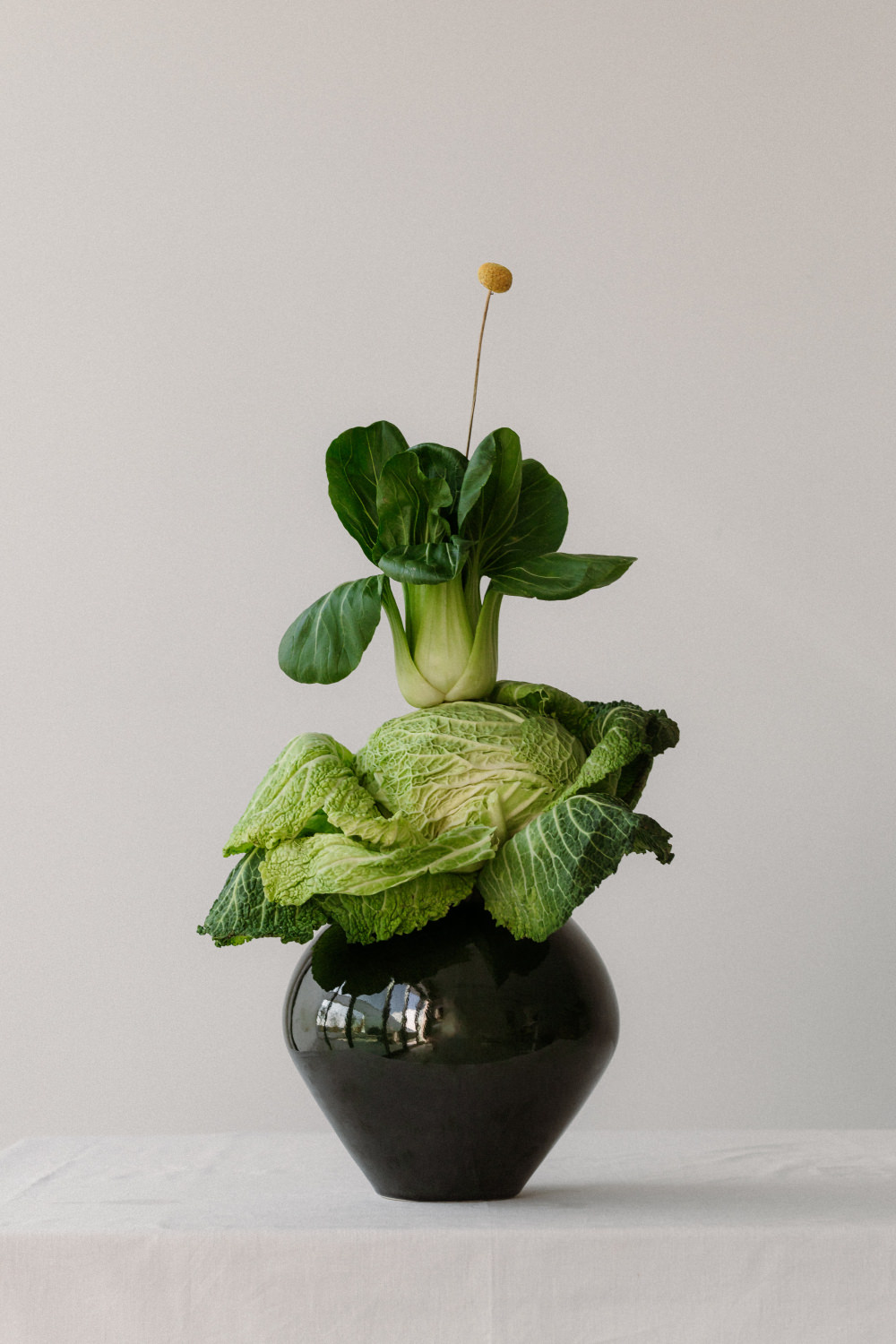
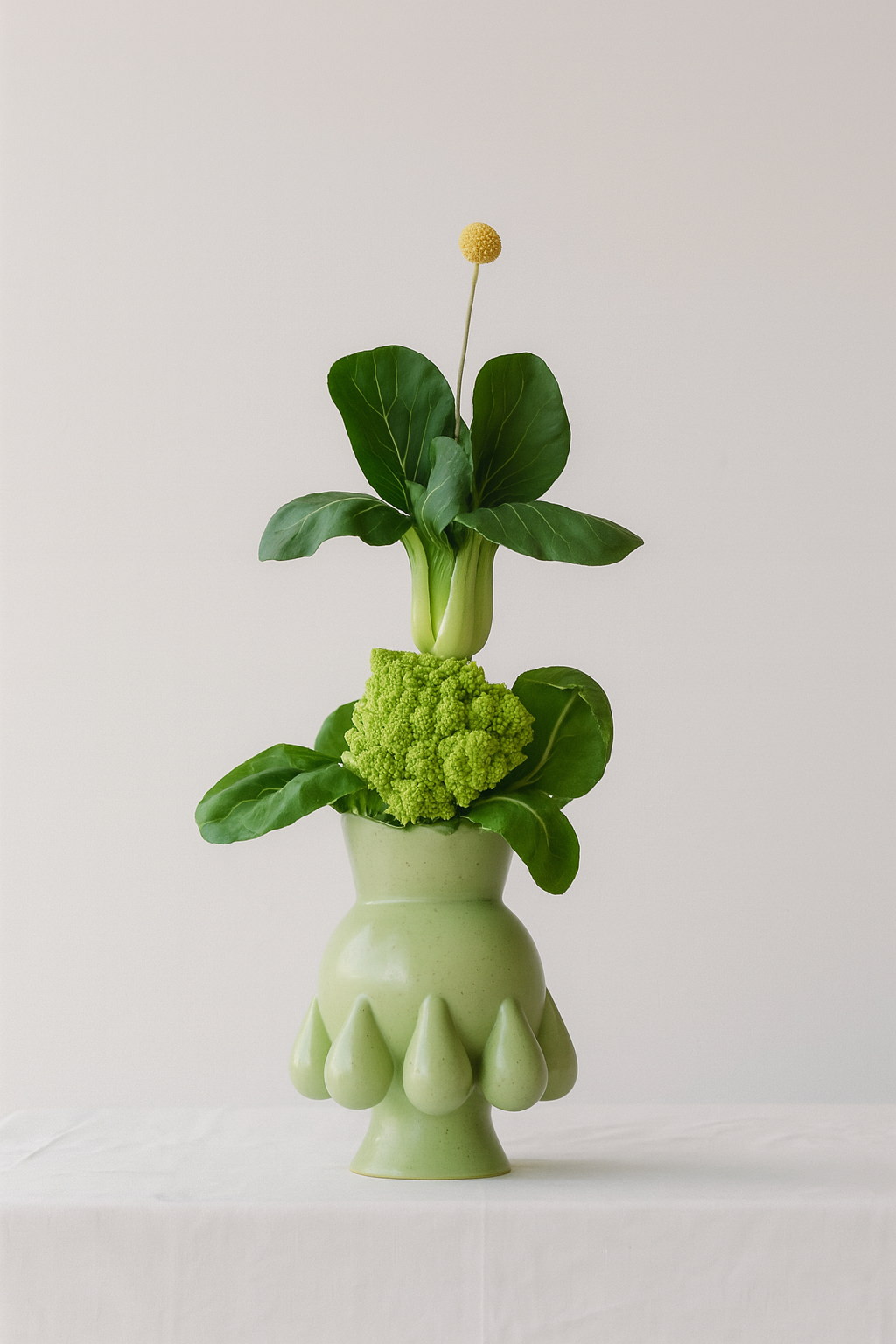
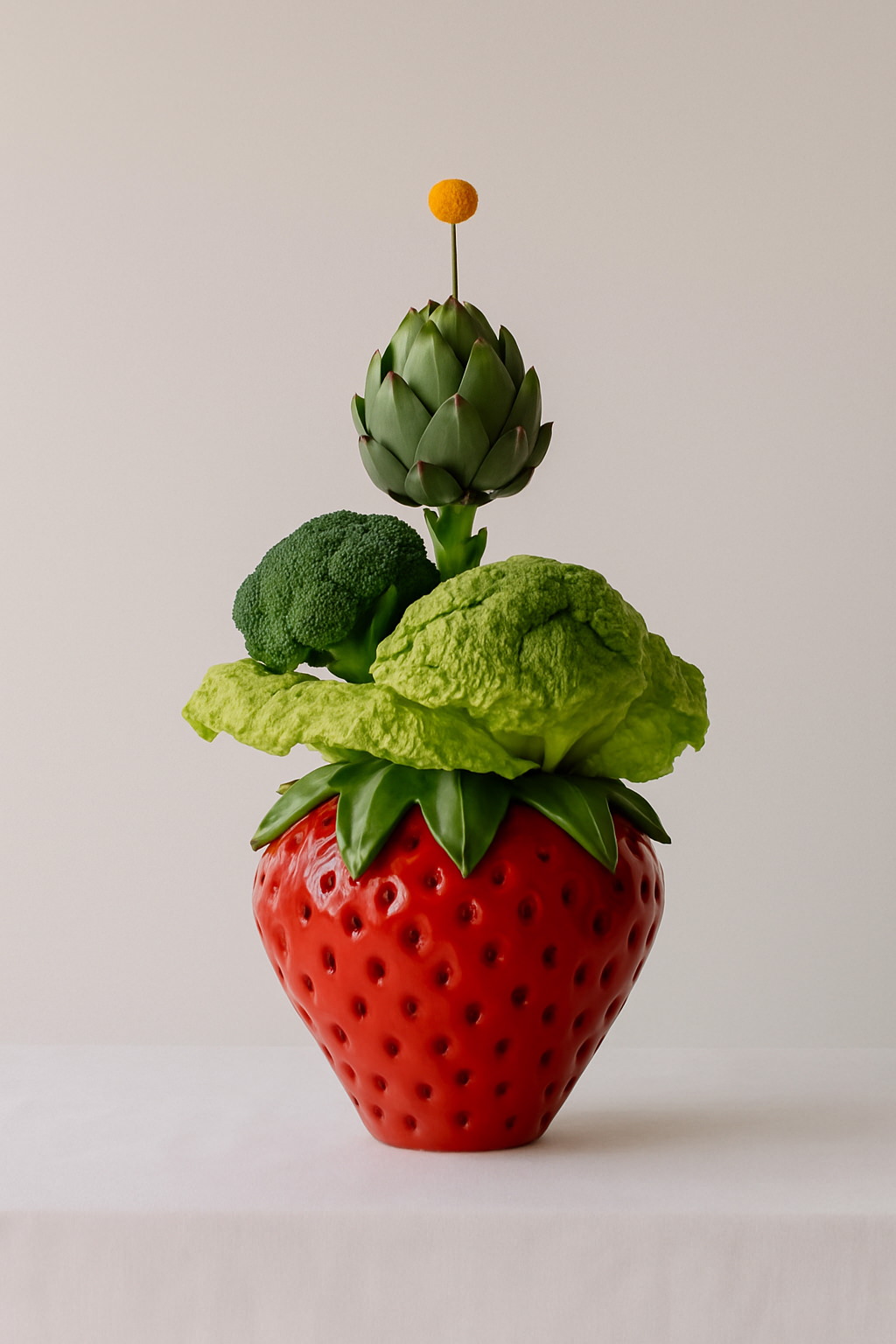
This is what happens when AI gets too inspired by someone’s work.. and no, our hearts aren’t okay.
Not exactly.
If an image is mostly generated by AI, you usually don’t have full copyright ownership, because copyright law still requires human authorship. You can use the image (if the tool’s license allows it), but you don’t get exclusivity or strong legal protection.
You may only own the parts where you added meaningful human input, such as editing, composition, or transformation.
You can use AI-generated images in advertising, but it comes with real risks.
They’re not guaranteed to be unique, and you usually don’t have strong ownership rights. That’s a problem when an image is central to a campaign or brand.
There’s also the risk of resembling real people, which can lead to privacy or likeness issues.
AI works better for low-stakes visuals. For advertising, where clarity and control matter, it’s a less reliable choice.
Yes, Canva allows commercial use of AI-generated images, but they’re not completely “free” in the way people assume.
According to Canva’s terms, you can use AI-generated images for any lawful purpose, including commercial projects, and you generally own the output you create. However, this comes with important conditions. The license is non-exclusive, meaning others can generate similar images, and you are fully responsible for making sure your use doesn’t infringe on any third-party rights.
There are also practical limitations. AI images shouldn’t be resold as standalone files or used as-is in products like stock bundles. They are meant to be part of a larger, original design or project.
So yes, you can use Canva AI images commercially, but it’s “use at your own risk,” with no guarantee of exclusivity or legal protection.
Source: Canva AI Product Terms
Not really.
You can absolutely use Kaboompics photos as inspiration, but not as actual input for AI tools. Uploading a photo to generate a new image (for example in Midjourney or Firefly) is not allowed under the license.
Kaboompics images can’t be used for AI training or image generation. That part is pretty clear.
So if you’re just looking, getting ideas, building a mood — you’re fine.
If you’re feeding the image into AI to create something new — that’s where you cross the line.
Source: Kaboompics License & FAQ
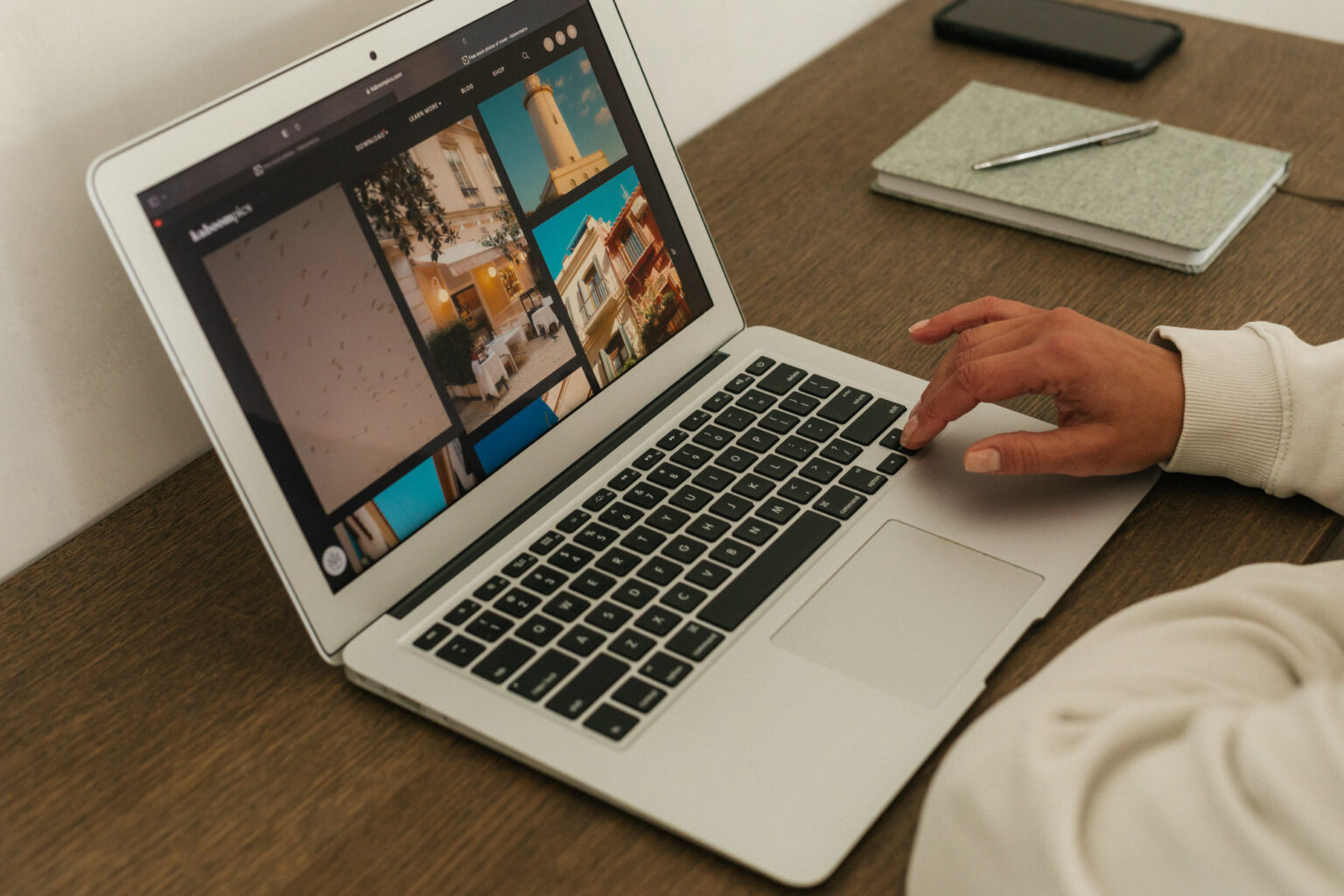
At Kaboompics, we’ve always believed that good visuals are not just about single images, but about how they work together. AI is an interesting and powerful tool, and we’re genuinely curious to see where it goes, but in real projects, consistency, clarity, and control still matter more than speed alone.
That’s exactly why we focus on curated photography built as visual systems, not random outputs. Because at the end of the day, what you’re building deserves more than just an image, it needs something you can rely on.
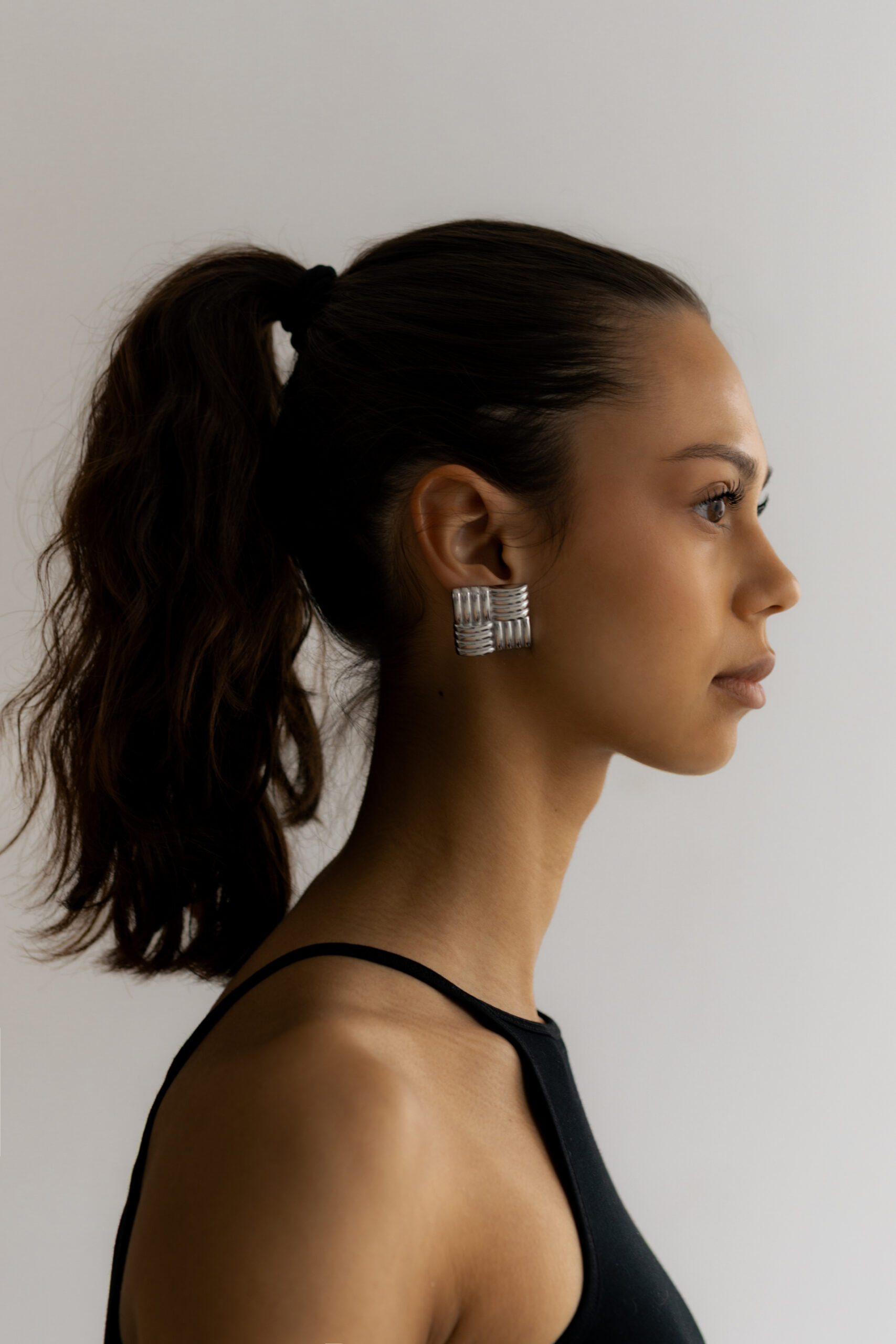
Many designers, bloggers, and marketers say they want stock photos that look “editorial.” The phrase shows up in briefs, emails, and conversations all the time. It sounds very clear, but when you actually try to define it, things get a
Short answer: yes, but not in the way most people assume. The conversation around AI images hasn’t flipped upside down since 2025, but it has matured. The hype faded a bit and what’s left is more concrete: clearer legal signals,
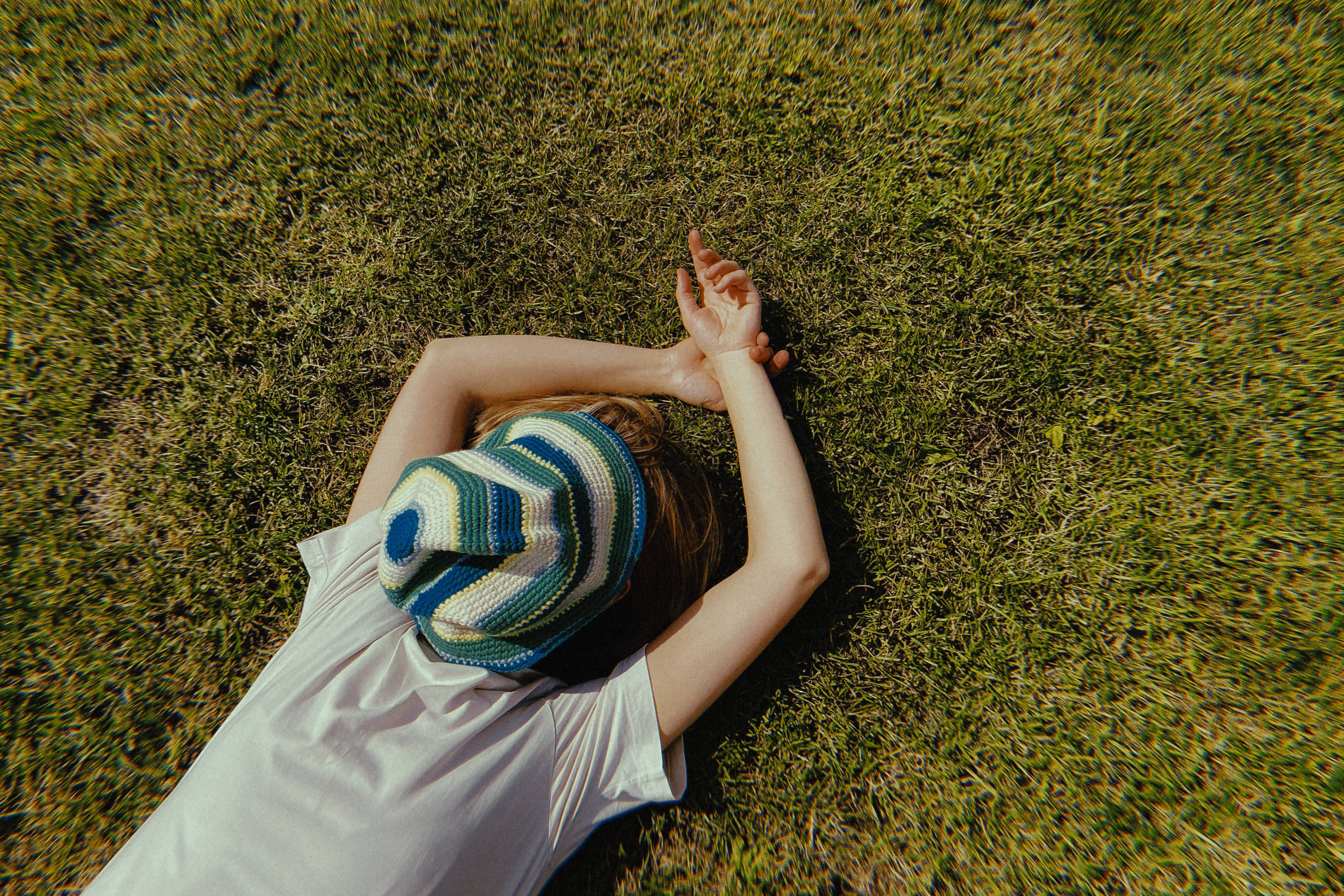
Summer always brings a burst of energy, color, and a certain lightness that we love capturing in photos. But when it comes to choosing images for summer projects, it doesn’t have to be just beaches, palm trees, or shots tagged