How To Find Stock Photos With An Editorial Aesthetic
Many designers, bloggers, and marketers say they want stock photos that look “editorial.” The phrase shows up in briefs, emails, and conversations all the time. It sounds very clear, but when you actually try to define it, things get a bit blurry.
At Kaboompics we run into this regularly. Someone says they are looking for editorial style photos and for a moment everyone nods, as if we all mean exactly the same thing. But when you start asking what that actually looks like, the answers vary. Some people mean magazine-style fashion. Others mean natural light. Some mean images that feel more candid and less like traditional stock.
Because this question comes up so often, we decided to look at it more closely. What do people actually mean when they say “editorial aesthetic” and how do you find images like that in stock libraries?
What People Usually Mean By An Editorial Aesthetic
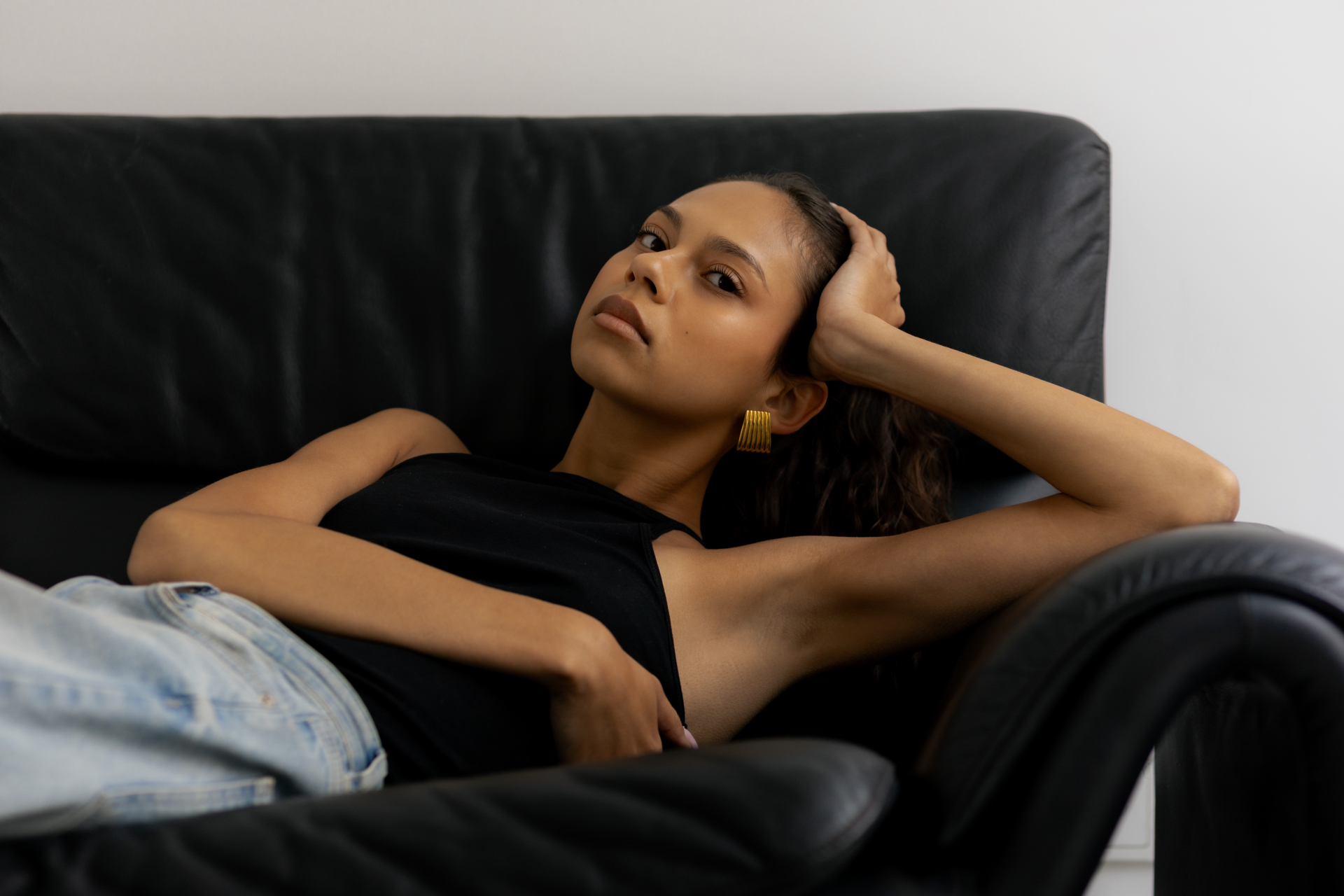
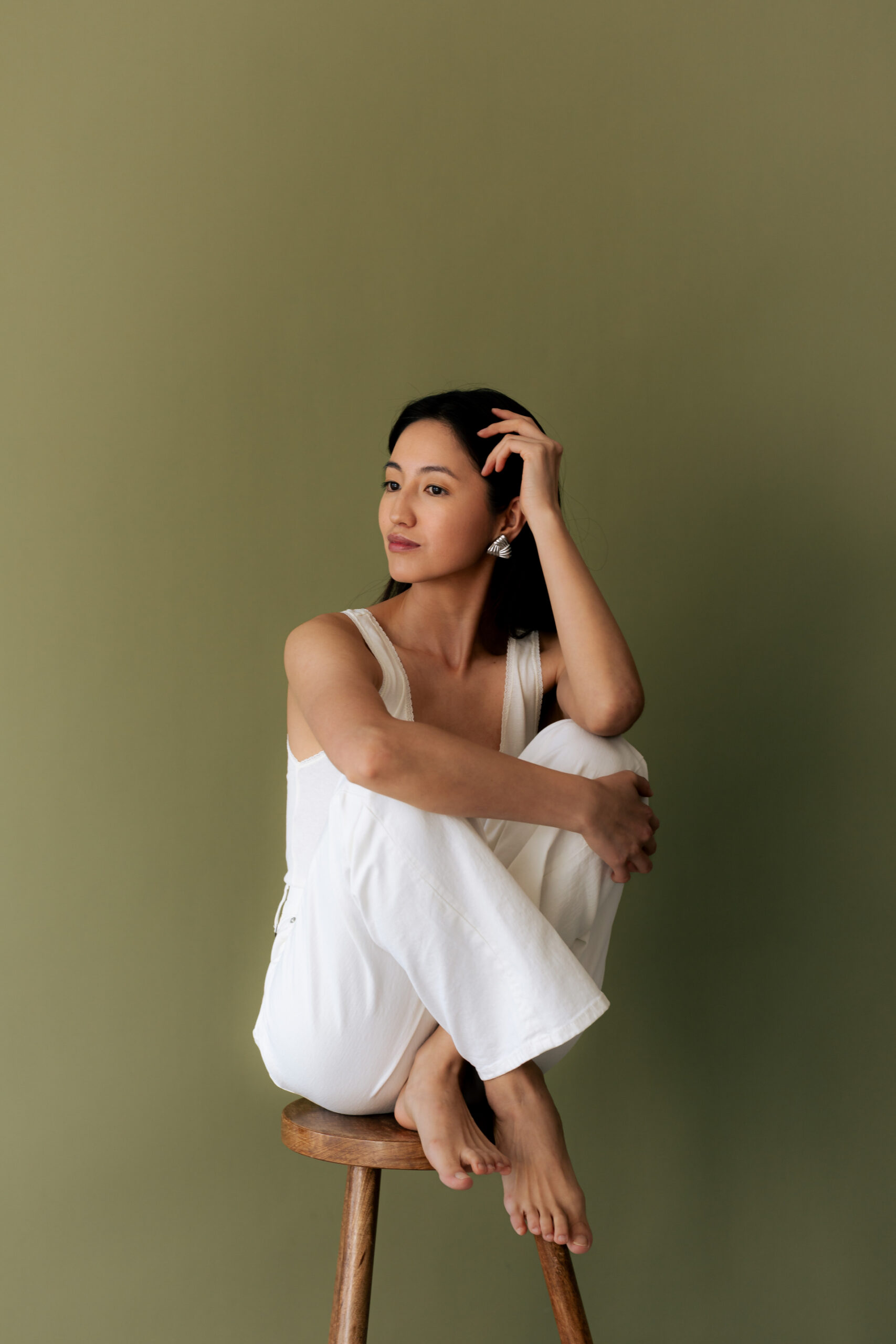
When people talk about an editorial aesthetic, they are usually thinking about the kind of imagery you see in magazines or long-form articles. Photos that feel like part of a story rather than a perfectly staged advertisement.
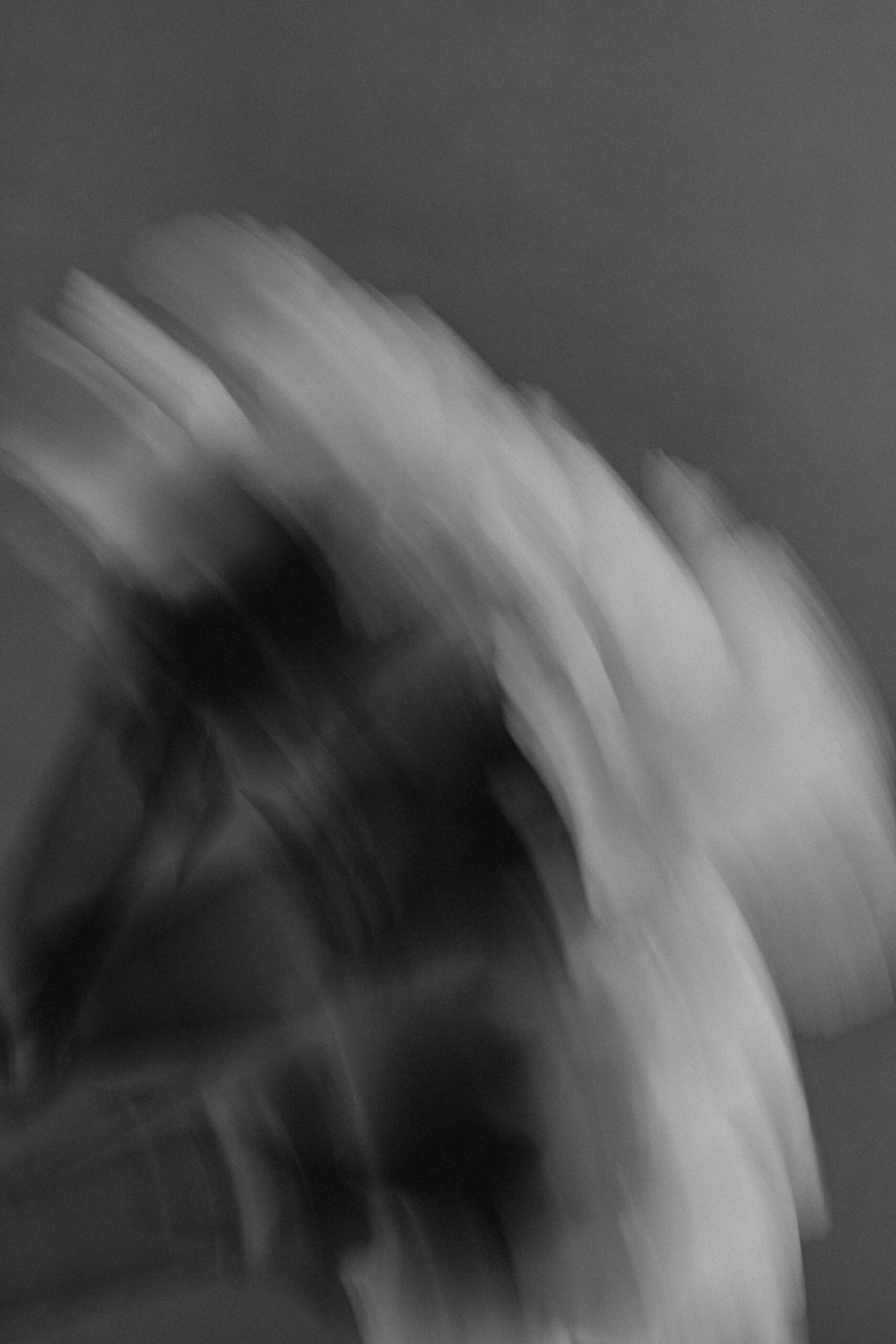
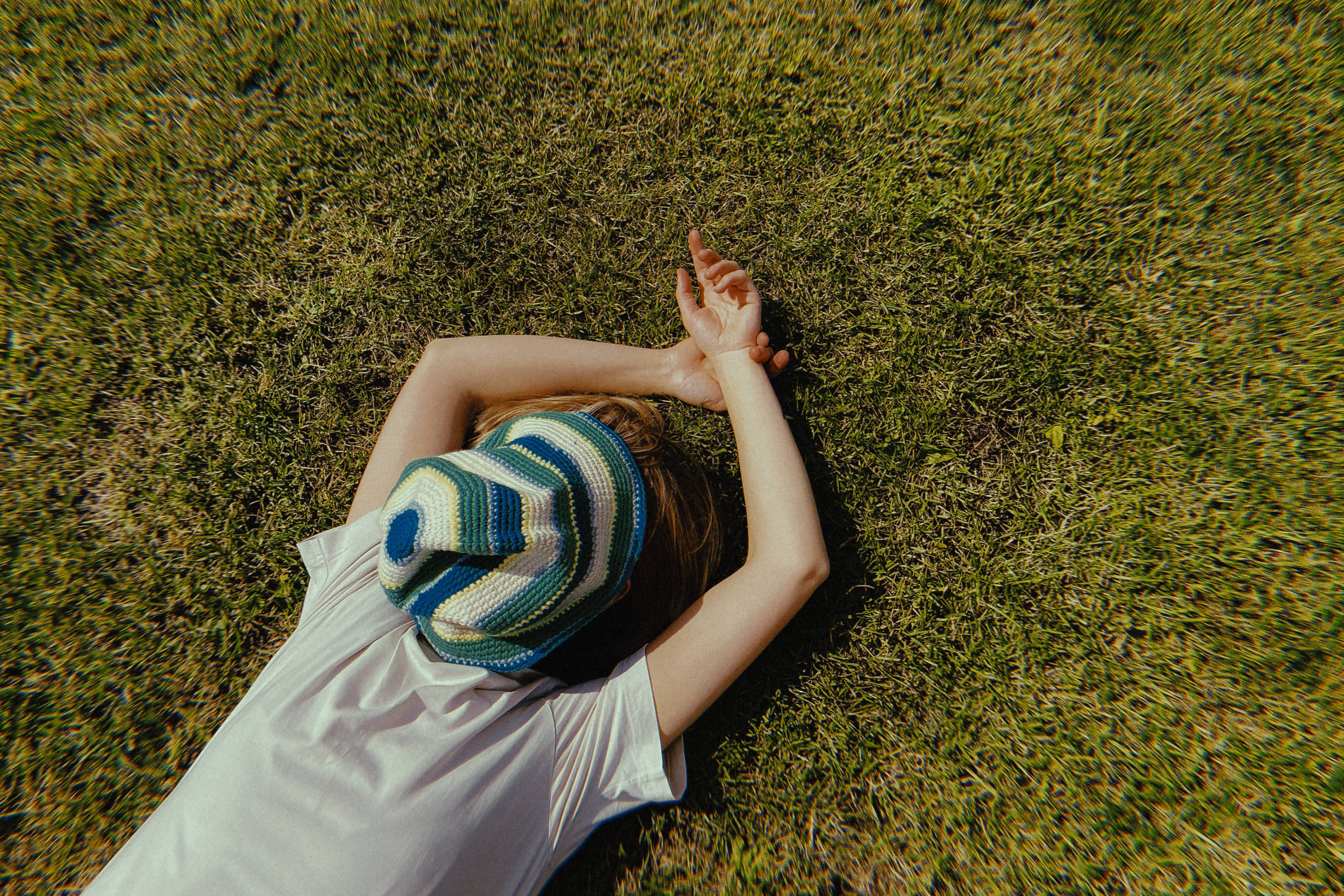
Editorial images often feel more observational. The lighting can be softer and more natural. The composition is sometimes a little imperfect. You might see movement, partial framing, or objects that look like they were not placed there specifically for the camera.
What makes these images compelling is that they suggest something beyond the frame. A moment before, a moment after, or a larger context that the viewer can imagine.
This is why editorial-style photography often feels more authentic than traditional stock imagery.
Why Editorial Style Photos Can Be Hard To Find
Most stock libraries are organized around objects and concepts. You search for things like “woman working,” “coffee cup,” or “home office.” But visual style is much harder for search engines to understand.
There usually isn’t a filter that says “editorial aesthetic.” The photos exist, but they are scattered across different keywords and categories. In practice, finding editorial-style photos often means looking for situations rather than isolated objects. Scenes that feel like part of everyday life. Real environments. Moments that feel slightly unscripted.
Browsing full shoots or visually consistent collections can also help, because editorial photography is rarely just one image. It is usually a series of photos created within the same environment and mood.
Using Editorial Style Images In Marketing
Editorial-style imagery can work surprisingly well in marketing. Not because it looks polished, but because it feels believable.
Audiences have seen so much traditional advertising that perfectly staged images sometimes feel distant or artificial. Editorial-style photography tends to feel more like real life, which makes it easier for people to connect with.
For many brands, the goal is not to make something look like an ad but to make it feel like a story or an atmosphere. Editorial imagery helps create that kind of communication.
Is Editorial Photography Always Fashion
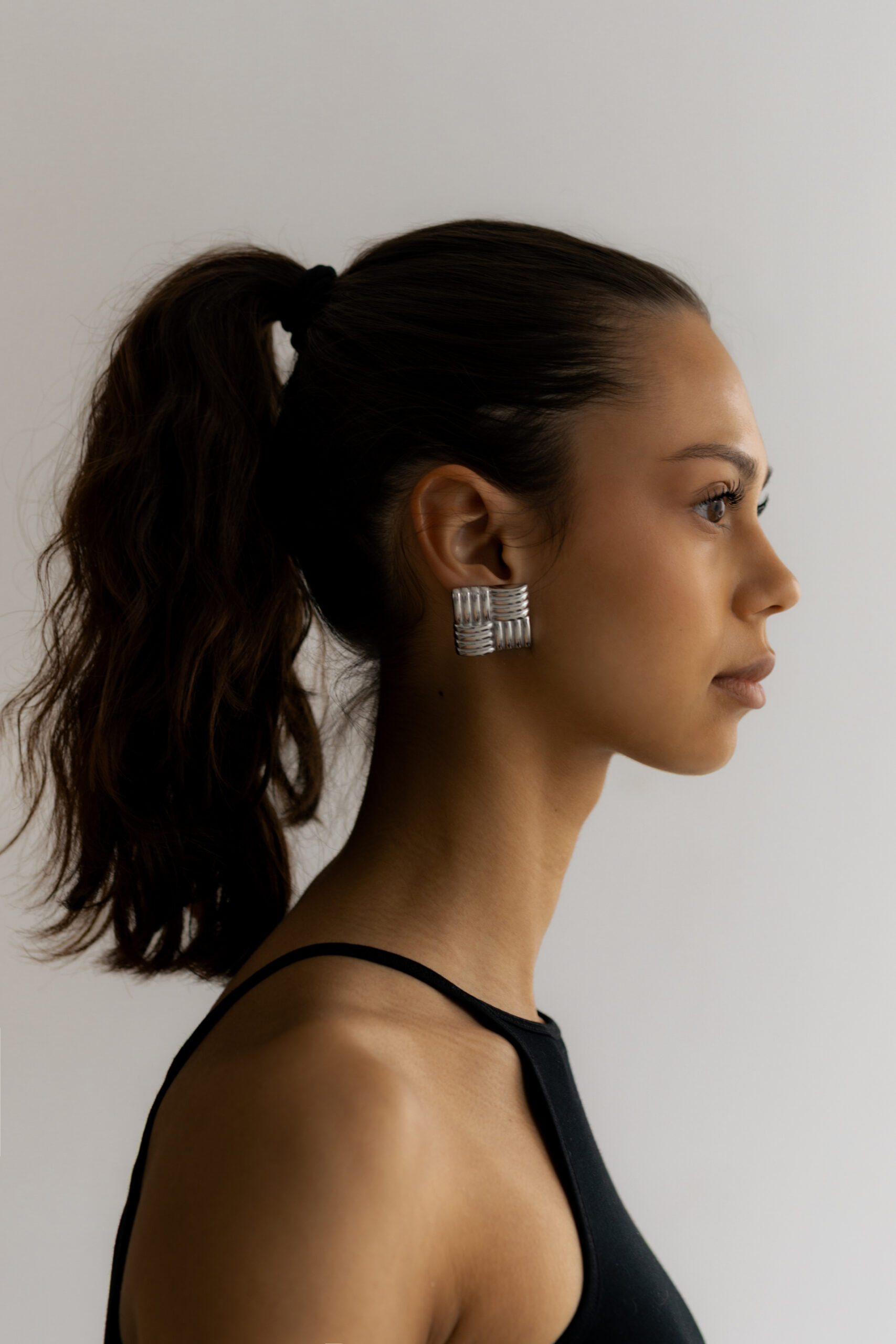
Fashion magazines made the term “editorial” very visible, which is why many people automatically associate it with fashion photography. But editorial is not limited to fashion at all.
Originally the word simply described images created to support a story or article. Fashion editorials are just one version of that idea.
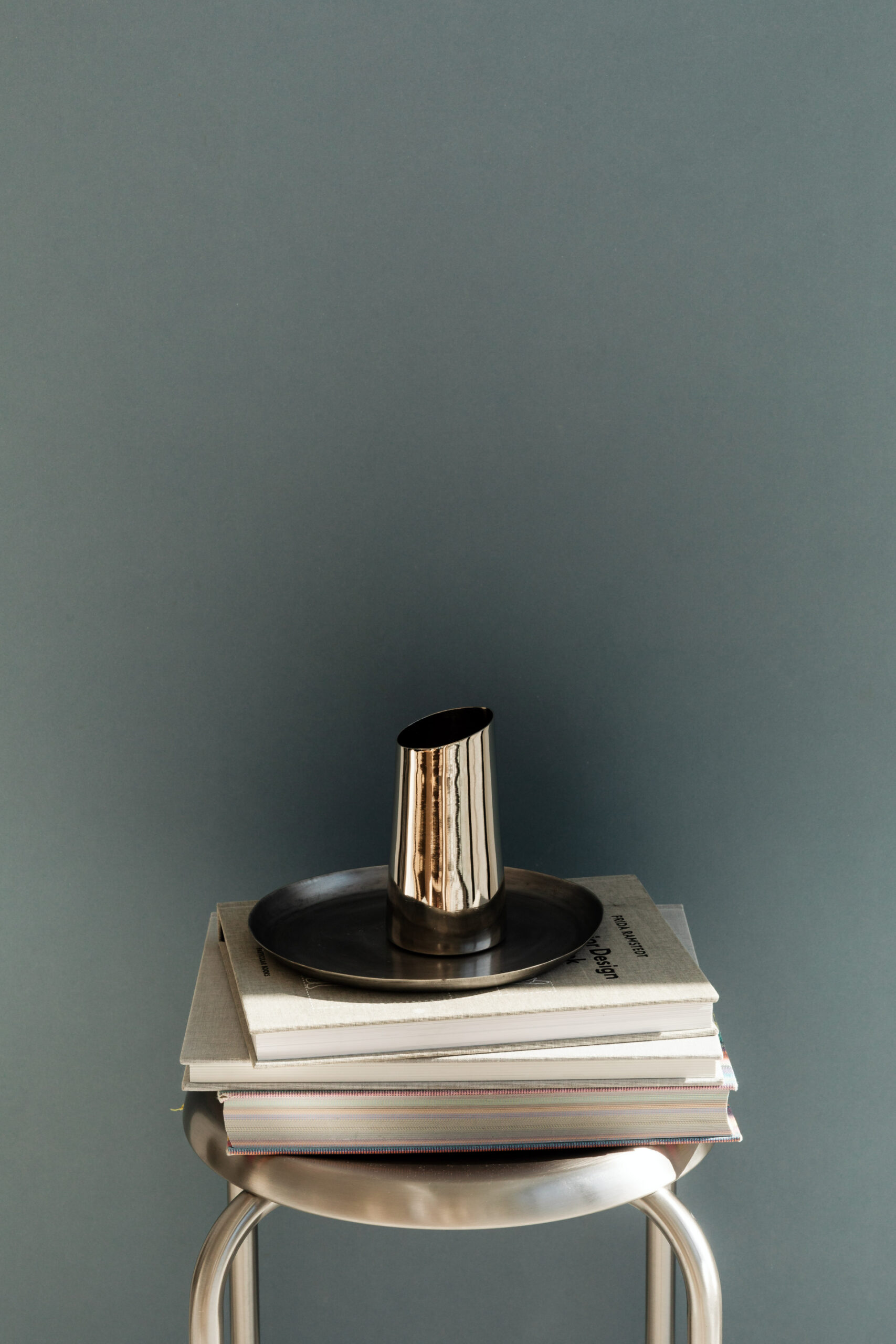
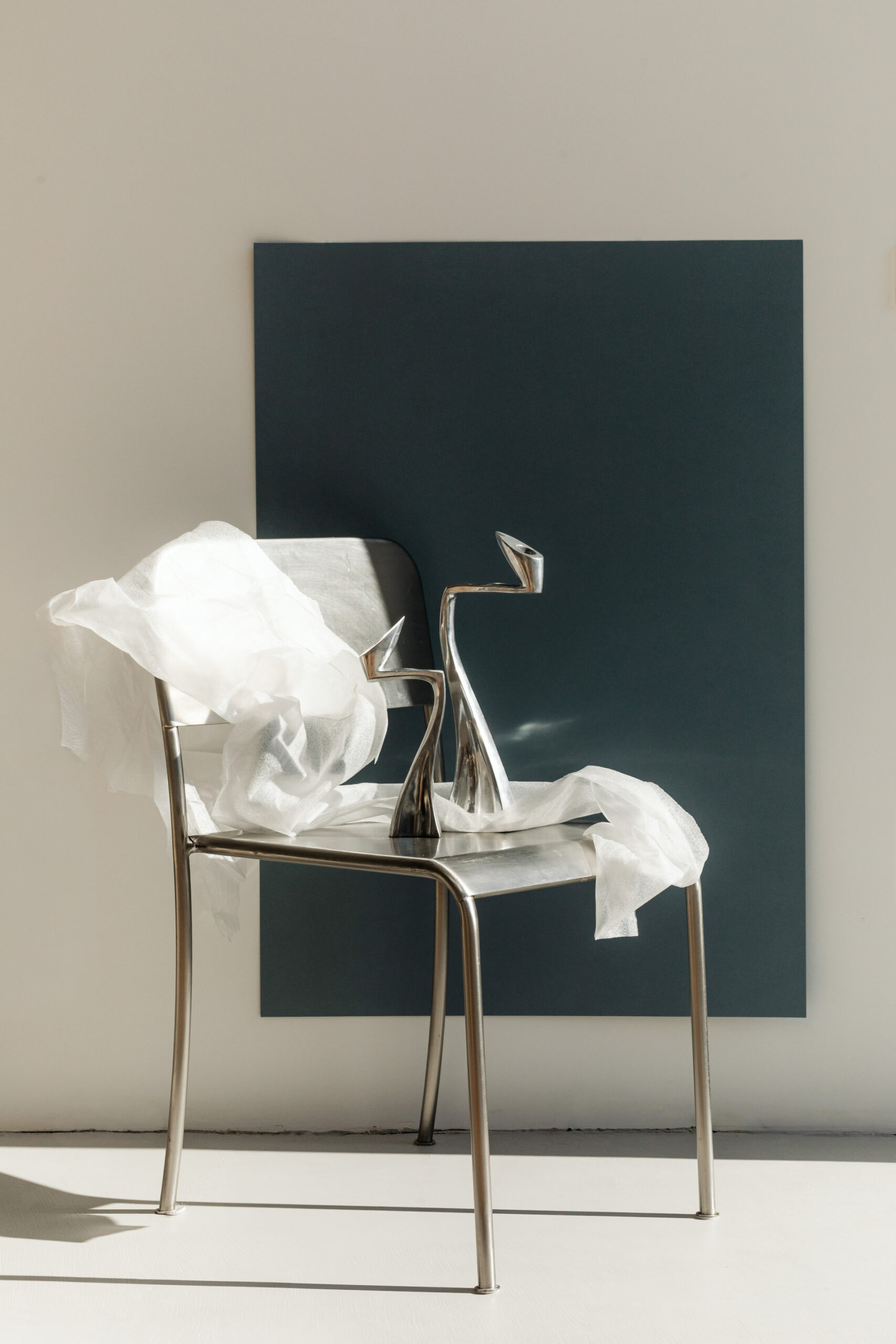
Many other subjects can be photographed in an editorial way. Still life is a good example. If you browse collections like editorial still life photography, you will notice that the focus is rarely on a perfectly isolated product. Instead of presenting an object like a product catalog would, editorial still life often focuses on atmosphere, composition, and narrative details. A messy desk, objects that look like they were just used, natural light entering the frame. These kinds of images suggest a story about a person or a moment. A good example is this minimalist metal objects still life on blue background, where the composition and atmosphere carry more of the narrative than the objects themselves.
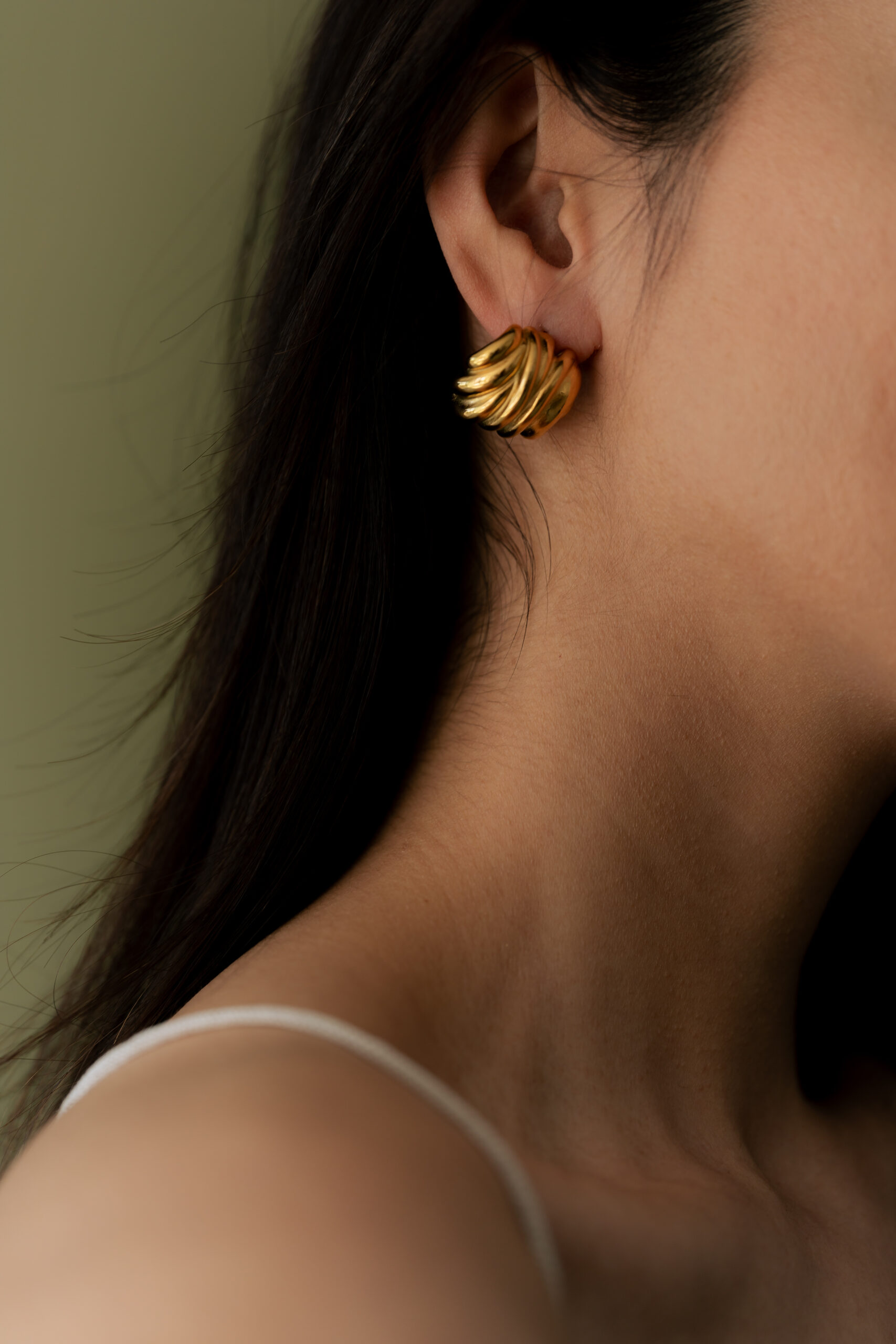
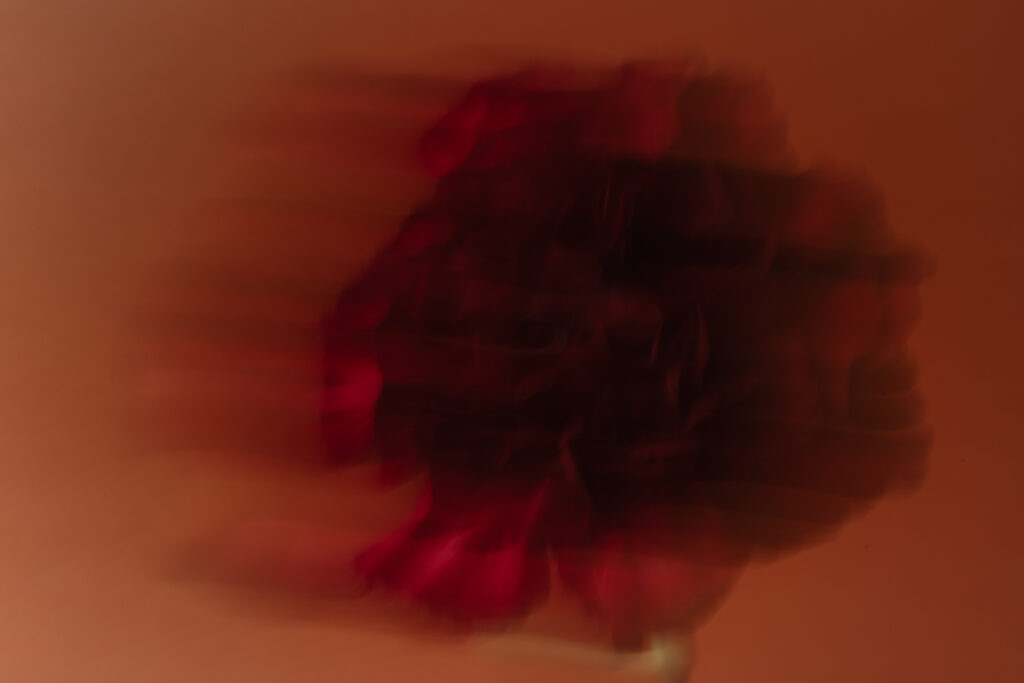
Beauty photography can also take an editorial direction when the focus shifts from the product itself to texture, mood, and visual storytelling. A good example is this soft macro flower photography in orange tones, where color, texture, and atmosphere become the main narrative elements.
In other words, editorial is less about the subject and more about how the image feels. The same object can look commercial in one photo and editorial in another depending on how it is photographed.
A Quick Note On Editorial Licenses
The word “editorial” can also refer to licensing, which is a separate topic and often a source of confusion.
In stock photography, “editorial use only” images usually contain recognizable people, brands, or locations that cannot legally be used in advertising. These photos can typically only appear in journalistic or informational contexts.
That is different from editorial style. A photo can have an editorial aesthetic and still be fully licensed for commercial use if the necessary releases exist.
Finding stock photos with an editorial aesthetic is rarely about typing a perfect keyword into a search bar. It is more about recognizing a certain visual language.
Once you start looking for atmosphere, small imperfections, and images that feel like fragments of a larger story, the difference becomes much easier to see. And once you see it, you start noticing editorial-style photography everywhere.
How To Find Stock Photos With An Editorial Aesthetic
Many designers, bloggers, and marketers say they want stock photos that look “editorial.” The phrase shows up in briefs, emails, and conversations all the time. It sounds very clear, but when you actually try to define it, things get a
Can You Use AI Images Commercially In 2026? What You Need To Know
Short answer: yes, but not in the way most people assume. The conversation around AI images hasn’t flipped upside down since 2025, but it has matured. The hype faded a bit and what’s left is more concrete: clearer legal signals,
Summer Aesthetic Photos – Curated Picks You Can Download for Free
Summer always brings a burst of energy, color, and a certain lightness that we love capturing in photos. But when it comes to choosing images for summer projects, it doesn’t have to be just beaches, palm trees, or shots tagged